





Cheiron: Vol....
CHEIRON: THE INTERNATIONAL JOURNAL OF EQUINE AND EQUESTRIAN HISTORY
ISSN 2786-3182
Editors-in-Chief: Anastasija Ropa, Miriam A. Bibby
Guest Editor: Katherine S. Kanne
This journal issue offers an interdisciplinary exploration of the cultural, historical, and historiographical significance of horses across ancient, medieval, and modern contexts. The contributions examine equine representation, burial practices, animal agency, warfare, trade, breeding traditions, political uses of pedigree, and the development of riding for health and leisure. Drawing on approaches from history, archaeology, literary studies, and human-animal studies, the issue highlights the central role of horses in social identity, economic exchange, political discourse, and cross-cultural interpretation.
Vol. 1 (Issue 1/2021, November)
Pages 1-239
DOI: 10.22618/TP.Cheiron.20211.1
 You can read this issue in open access

Cheiron: Vol....
CHEIRON: THE INTERNATIONAL JOURNAL OF EQUINE AND EQUESTRIAN HISTORY
ISSN 2786-3182
Editors-in-Chief: Anastasija Ropa, Miriam A. Bibby
Guest Editor: Patricia Stafford
This issue offers an interdisciplinary exploration of human-horse relationships across antiquity, the medieval world, and the nineteenth century, bringing together studies in archaeology, material culture, literary analysis, cultural history, zooarchaeology, and the history of medicine. The articles examine equestrian equipment, riding practices, horse-related belief systems, pharmacological uses of equine substances, and the cultural meanings attached to horses in diverse historical contexts. Collectively, the issue highlights the central role of horses in warfare, travel, technology, identity formation, and symbolic thought, while demonstrating the value of cross-disciplinary approaches to equine studies.
Vol. 2 (Issue 1/2022)
Pages 1-196
DOI: 10.22618/TP.Cheiron.20221.1
You can read this issue in open access

Cheiron: Vol....
CHEIRON: THE INTERNATIONAL JOURNAL OF EQUINE AND EQUESTRIAN HISTORY
ISSN 2786-3182
Editors-in-Chief: Anastasija Ropa, Miriam A. Bibby
Report by Craig C. Downer
This special issue explores wild equine ecology, conservation, and historical interpretation, with a primary focus on the Heber wild horses of Arizona’s Apache-Sitgreaves National Forests. It considers ecological field evidence, habitat pressures, land-use conflicts, and the conservation significance of wild horse populations, while also engaging with historical perspectives on wild equines. The issue offers an interdisciplinary contribution to discussions on ecosystem management, biodiversity, and wild horse conservation policy.
Vol. 2 (Issue 2/2022)
Pages 1-131
DOI: 10.22618/TP.Cheiron.20222.2
You can read this issue in open access
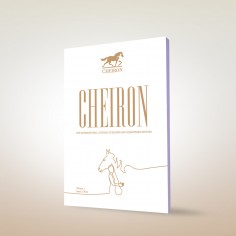
Cheiron: Vol....
CHEIRON: THE INTERNATIONAL JOURNAL OF EQUINE AND EQUESTRIAN HISTORY
ISSN 2786-3182
Editors-in-Chief: Anastasija Ropa, Miriam A. Bibby
Guest Editor: Rena Maguire
This issue brings together interdisciplinary studies on the cultural, historical, archaeological, and iconographic significance of horses across ancient and later societies. The articles examine equine representation in Egyptian, Persian, Roman, and early modern contexts, as well as material evidence of horse-related rural heritage in Ireland. Collectively, the contributions highlight the central role of horses in warfare, royal symbolism, breeding history, daily management, and technological change, demonstrating the value of equine studies for understanding wider social and historical developments.
Vol. 3 (Issue 1/2023)
Pages 1-112
DOI: 10.22618/TP.Cheiron.20233.1
You can read this issue in open access

Cheiron: Vol....
CHEIRON: THE INTERNATIONAL JOURNAL OF EQUINE AND EQUESTRIAN HISTORY
ISSN 2786-3182
Editors-in-Chief: Anastasija Ropa, Miriam A. Bibby
This issue brings together interdisciplinary studies on the historical, cultural, and social significance of horses across different periods and regions. The articles examine equine representation in medieval chronicles, breeding and perceptions of mares in medieval France, the ceremonial role of horses in Tudor coronations, the historiography of the Royal Mares, the long-term history and preservation of the Cretan horse, the social roles of mares in free-roaming horse bands, and the continuing relevance of horse heritage through UNESCO intangible cultural heritage frameworks. Collectively, these contributions demonstrate the importance of horses in shaping human societies, identities, rituals, and heritage narratives from the medieval period to the present.
Vol. 3 (Issue 2/2023)
Pages 1-216
DOI: 10.22618/TP.Cheiron.20233.2
You can read this issue in open access

Cheiron: Vol....
CHEIRON: THE INTERNATIONAL JOURNAL OF EQUINE AND EQUESTRIAN HISTORY
ISSN 2786-3182
Editors-in-Chief: Anastasija Ropa, Miriam A. Bibby
This journal issue offers an interdisciplinary examination of horses and equine culture across antiquity, the medieval world, and modernity. The contributions address human–horse relations through historical, philological, archaeozoological, ethical, and heritage-focused perspectives, exploring themes such as warfare, myth, breed formation, professional ethics in equestrian sport, and conservation. Together, the articles demonstrate the enduring cultural, social, and symbolic significance of equids in diverse historical contexts.
Vol. 4 (Issue 1/2024)
Pages 1-148
DOI: 10.22618/TP.Cheiron.20244.1
You can read this issue in open access

Cheiron: Vol....
CHEIRON: THE INTERNATIONAL JOURNAL OF EQUINE AND EQUESTRIAN HISTORY
ISSN 2786-3182
Editors-in-Chief: Anastasija Ropa, Miriam A. Bibby
This issue offers an interdisciplinary exploration of human–equine relations across literary, historical, cultural, and heritage contexts. Spanning early Japan, imperial China, early modern England and Castile, nineteenth-century military memoir and correspondence, industrial coalmining communities, and contemporary wild horse adoption practices, the contributions examine horses and other equids as agents of transport, symbolism, labor, identity, memory, and interspecies encounter. Collectively, the issue highlights the centrality of equine studies to understanding social life, cultural representation, ritual practice, and historical experience across diverse times and places.
Vol. 4 (Issue 2/2024)
Pages 1-140
DOI: 10.22618/TP.Cheiron.20244.2
You can read this issue in open access

Cheiron: Vol....
CHEIRON: THE INTERNATIONAL JOURNAL OF EQUINE AND EQUESTRIAN HISTORY
ISSN 2786-3182
Editors-in-Chief: Anastasija Ropa, Miriam A. Bibby
This issue offers an interdisciplinary examination of the cultural, literary, historical, and visual significance of horses and human–animal relations across Byzantine, medieval European, Persian, and nineteenth-century transregional contexts. The contributions explore animal agency in Byzantine literature, equine representation in medieval vernacular texts, the artistic and travel experience of Edward Troye in the Holy Land, and European perceptions of Persian horses across time. Together, the articles demonstrate how equine studies can deepen understanding of authorship, mobility, cross-cultural exchange, artistic production, and the historical meanings attached to animals.
Vol. 5 (Issue 1/2025)
Pages 1-161
DOI: 10.22618/TP.Cheiron.20255.1
You can read this issue in open access

Cheiron: Vol....
CHEIRON: THE INTERNATIONAL JOURNAL OF EQUINE AND EQUESTRIAN HISTORY
ISSN 2786-3182
Editors-in-Chief: Anastasija Ropa, Miriam A. Bibby
This issue presents an interdisciplinary exploration of human-horse relationships across archaeology, history, art history, literature, performance studies, breeding history, and applied equestrian research. The contributions examine the cultural, symbolic, military, religious, genetic, and practical dimensions of equine presence from antiquity to the modern era, with case studies spanning Europe, Asia, Africa, and South America. Together, the articles highlight the horse as a central agent in social life, ritual practice, mobility, identity formation, artistic representation, and heritage preservation, while also demonstrating the methodological diversity and global reach of contemporary equine studies.
Vol. 5 (Issue 2/2025)
Pages 1-285
DOI: 10.22618/TP.Cheiron.20255.2
You can read this issue in open access

Cheiron: Vol....
CHEIRON: THE INTERNATIONAL JOURNAL OF EQUINE AND EQUESTRIAN HISTORY
ISSN 2786-3182
Editors-in-Chief: Anastasija Ropa, Miriam A. Bibby
SPECIAL ISSUE: Arabic-Armenian Encounters in Medieval Hippiatry and Hippology: Cross-Cultural Exchange Between the Muslim and the Christian East
Special Issue edited by Jasmine Dum-Tragut
This special issue brings together interdisciplinary studies on the transmission of equine medical, veterinary, and related scholarly knowledge across the medieval and early modern Middle East and Caucasus. Through philological, historical, linguistic, and manuscript-based approaches, the contributions examine Arabic, Armenian, and Georgian sources, highlighting the movement of texts, terminology, and practical expertise across geographic, linguistic, and cultural boundaries. Collectively, the issue advances understanding of hippiatry, manuscript traditions, translation practices, and the broader dynamics of knowledge transfer in premodern Eurasia.
Vol. 5 (Special Issue/2025)
Pages 1-196
DOI: 10.22618/TP.Cheiron.20255.SI
You can read this issue in open access

- New
Cheiron: Vol....
CHEIRON: THE INTERNATIONAL JOURNAL OF EQUINE AND EQUESTRIAN HISTORY
ISSN 2786-3182
Editors-in-Chief: Anastasija Ropa, Miriam A. Bibby
Vol. 6 (Issue 1/2026)
Pages 1-223
DOI: 10.22618/TP.Cheiron.20266.1
You can read this issue in open access
Best Sellers


Clients say

I am most pleased to recommend Trivent publishing to anyone who is at the “publish a book” stage of life. The team is professional, outstanding, supportive, they are intelligent editors who will direct, not coddle, an author on his/her journey to publication.

I have been working with the Philosophical Journal of Conflict and Violence since its debut in 2017. It has been a pleasant experience to see how the papers take shape in the process from submission to peer review to publication. The editor-in-chief together with the Trivent team do a tremendous job and are always seeking quality above all!

I’ve participated in two conferences organized by Trivent in the last few years and both were a nice experience – went smoothly and had decent talks in good spirit. When it came to managing manuscripts, I was surprised by the professionalism by which they helped my text get published. I definitely enjoyed working with them!